Address
304 North Cardinal
St. Dorchester Center, MA 02124
Work Hours
Monday to Friday: 7AM - 7PM
Weekend: 10AM - 5PM
Address
304 North Cardinal
St. Dorchester Center, MA 02124
Work Hours
Monday to Friday: 7AM - 7PM
Weekend: 10AM - 5PM
Category: Care & Maintenance
Excerpt: Find everyday cleaning and maintenance tips for different types of laundry storage products.
A laundry basket helps keep clothing, towels, and other household fabrics organized between wash days. Like other frequently used household items, it can collect dust, lint, and everyday residue over time.
Regular care can help maintain the basket’s appearance and keep your laundry area organized. The right cleaning method depends on the basket’s material, construction, and care instructions.
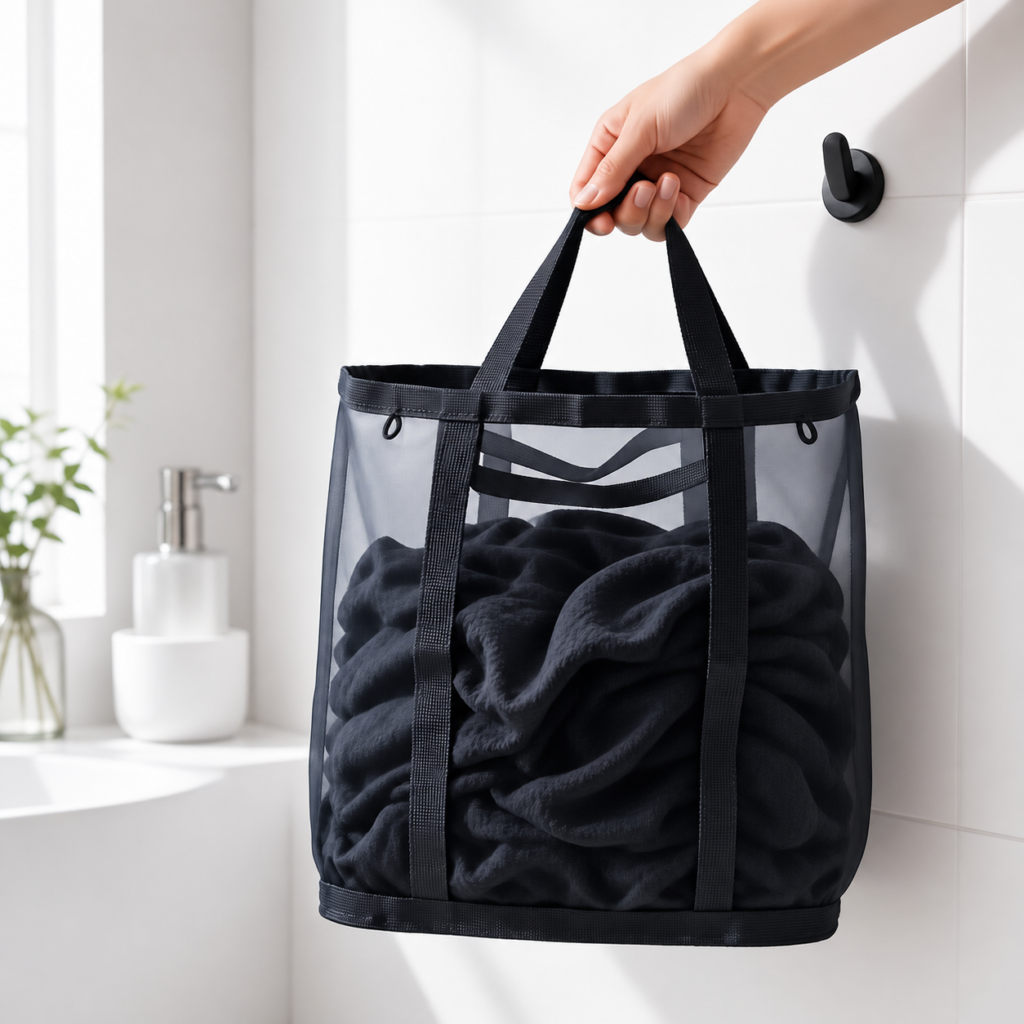
Whether you use a fabric hamper, a mesh laundry bag, or a rigid plastic basket, a few simple habits can help you look after it as part of your regular household routine.
Laundry baskets come in a variety of materials, and each type may require a different cleaning approach.
Before cleaning your basket, check the product label or manufacturer’s instructions. This can help you determine which cleaning products and methods are suitable.
For example:
Not every fabric basket is machine washable, and not every material is suitable for prolonged exposure to water. When in doubt, follow the product-specific care instructions.
Dust and lint can accumulate around handles, seams, corners, and the bottom of a laundry basket.
A quick routine cleaning can help prevent visible buildup and keep the basket looking tidy.
Start by emptying the basket and removing loose debris. Depending on the material, you can use a soft brush, a dry cloth, or another suitable cleaning tool to reach corners and seams.
For fabric baskets, avoid aggressive brushing that could damage the fibers. For mesh designs, take extra care around openings and stitching.
Making this a regular habit can reduce the need for more intensive cleaning later.
Fabric laundry baskets often complement bedrooms, bathrooms, and other living spaces, but their cleaning requirements can vary considerably.
If the product is suitable for washing, follow the recommended water temperature, detergent instructions, and drying method. If it is not washable, spot cleaning may be more appropriate.
When treating a small stain, test the cleaning method on an inconspicuous area if the care instructions allow it.
Avoid using bleach, strong cleaning agents, or excessive heat unless the manufacturer specifically permits them. These methods may affect the fabric’s color, texture, shape, or structural components.
Always check the product instructions before placing a fabric hamper in a washing machine.
Moisture can remain inside a laundry basket when damp towels, workout clothing, or other wet items are placed in it.
Whenever practical, avoid leaving wet laundry inside a closed or poorly ventilated basket for extended periods. Transfer damp items to the appropriate washing area and allow the basket to dry when necessary.
If your basket becomes damp during cleaning, follow its care instructions to dry it thoroughly before using or storing it again.
For baskets kept in bathrooms or laundry rooms, consider the surrounding humidity and available ventilation when choosing a storage location.
Handles, stitching, frames, and supporting components are important parts of a laundry basket’s everyday usability.
Occasionally inspect these areas for loose threads, worn seams, cracks, bent components, or other visible changes.
For baskets with fabric handles, avoid pulling sharply or lifting loads beyond the product’s stated capacity. For baskets with rigid frames or wheels, check that the relevant components remain in suitable condition for normal use.
If a component becomes damaged, stop using the basket in a way that could cause the damage to worsen. Follow the manufacturer’s guidance regarding repair or replacement where available.
It can be tempting to fill a laundry basket until no more clothing fits, especially before wash day. However, excessive loads can make the basket difficult to carry and may place additional strain on its handles, seams, or frame.
Choose a load that you can move comfortably and that remains within any stated product limits.
For larger quantities of laundry, consider distributing the items between multiple baskets rather than carrying one excessively heavy load.
This approach can also make sorting clothing and transporting laundry between rooms more manageable.
If your laundry basket is not used every day, appropriate storage can help keep it in good condition.
Before storing it, remove any remaining clothing, dust, and debris. Make sure the basket is dry and follow the manufacturer’s instructions for folding, collapsing, or disassembling it.
Foldable baskets may be convenient in smaller homes because they can take up less space when not in use. Rigid designs may be better suited to a permanent location beside a wardrobe, washing machine, or laundry cabinet.
Avoid placing heavy objects on top of a basket unless its design specifically supports that use.
Looking after your laundry basket does not need to involve a complicated cleaning schedule.
A simple routine can include:
Adjust the frequency according to how often you use the basket and the type of laundry you collect.
Good maintenance starts with understanding the product you own. Material, construction, ventilation, portability, and care requirements can all influence how a laundry basket fits into your household routine.
By following the recommended cleaning instructions, removing debris regularly, keeping the basket dry when appropriate, and avoiding excessive loads, you can make laundry organization a more manageable part of everyday life.
At SHILLINGTONLAUNDROMAT, we focus on practical laundry baskets for everyday household organization. Explore our collection to compare available materials, designs, sizes, and features, and find an option that suits your home and routine.
A little regular care can help keep your laundry area tidy and your household essentials ready for everyday use.